VINCIVARO.AI

LegalInnovation

Blog

Right to Die with Dignity: How the Supreme Court of India Redefined End-of-Life Justice in a Landmark 2026 Judgment

Imagine lying in a hospital bed for 13 years with no hope of recovery. This was the reality for Harish Rana and his family. They faced years of emotional pain, high medical costs, and very difficult decisions. There was no clear legal answer to guide them. This situation raises an important question. Should a person have the right to die with dignity when recovery is not possible? On March 18–19, 2026, the Supreme Court of India answered this question. In a landmark judgment, the Court allowed passive euthanasia in India. It permitted the withdrawal of life support, including medical nutrition, for a patient in a vegetative state. This decision supports the idea of the Right to Die with Dignity in India. The Court made it clear that the right to life is not only about staying alive. It is also about dignity at the end of life. The judgment is based on Article 21 of the Constitution of India. This article protects the right to life and personal liberty. Over time, courts have said this also includes the right to live with dignity. Now, it also includes dignity in death. The Court also followed the earlier case of Common Cause vs Union of India. In that case, passive euthanasia and living wills became legal in India. A living will lets a person decide future medical care if they cannot speak later. Passive euthanasia does not mean ending life actively. It means stopping treatment that only keeps a person alive without hope of recovery. This may include removing life support or stopping artificial feeding. The Court said these decisions must be made carefully. Doctors must review the case. Families must give consent. Proper legal steps must be followed. This ensures safety and prevents misuse. The Court also stressed the importance of palliative care. Patients must not suffer. They must receive care that keeps them comfortable and pain-free. This Supreme Court judgment on passive euthanasia in India gives clarity to families. Many families face such situations but feel confused and helpless. Now, they have legal support to make better decisions. At the same time, the Court warned about misuse. It said strong safeguards are necessary. Transparency and medical checks are important in every case. This decision also starts a larger conversation. It raises questions about patient rights, medical ethics, and personal choice. More people may now think about living wills and end-of-life planning. The Right to Die with Dignity in India is now clearer than before. The Supreme Court of India has shown that law can be both strong and compassionate. This judgment is not about choosing death. It is about reducing suffering. It is about giving dignity, respect, and peace at the end of life.
Blog

Simplifying Compliance with Legal Compliance Checker AI

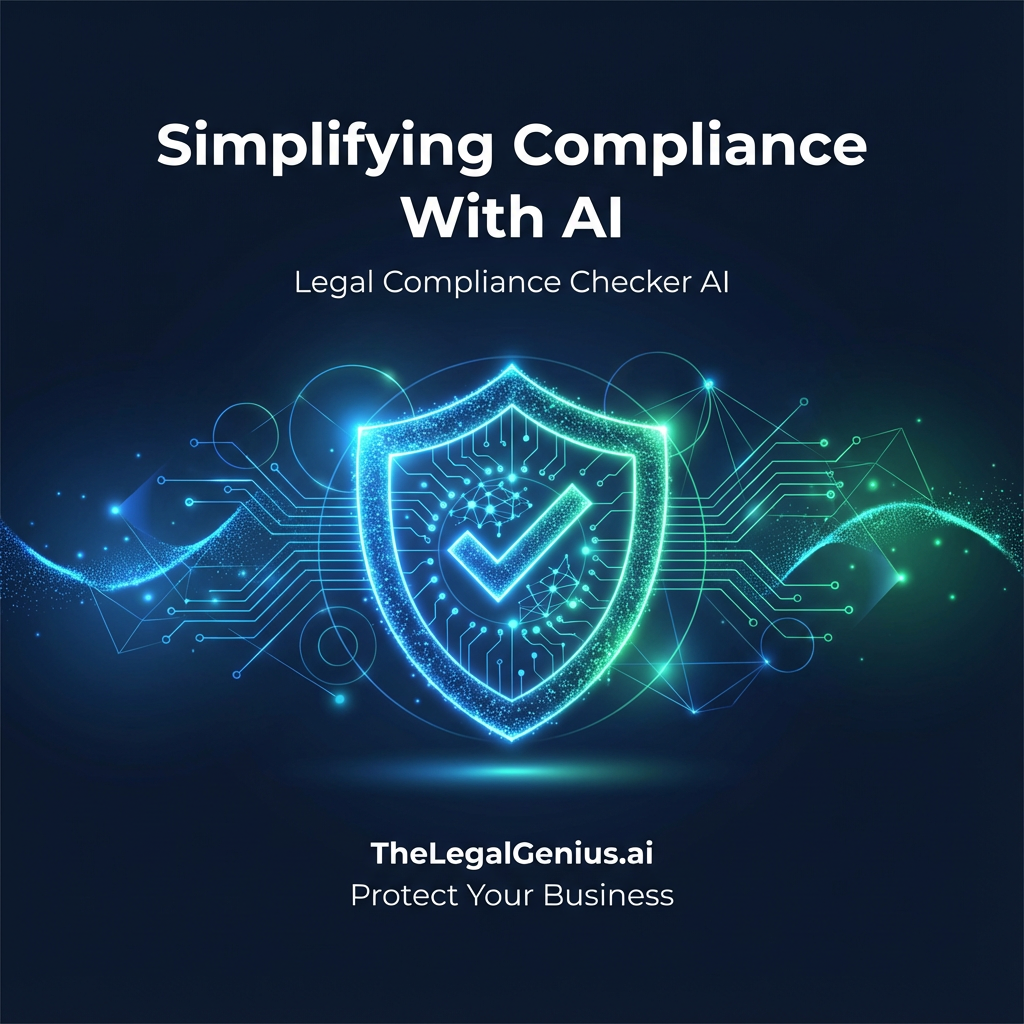
Staying compliant with constantly changing laws and regulations is a major challenge for businesses and legal professionals. Missing even a single requirement can result in fines, penalties, or legal disputes. This is where a Legal Compliance Checker AI can make a real difference, transforming how compliance is monitored and managed. Platforms like VINCIVARO.AI use advanced AI technology to provide a smart legal compliance checker AI. By analyzing documents, contracts, and business practices, it identifies potential compliance gaps, highlights risks, and delivers actionable recommendations. Businesses can stay aligned with laws and regulations without manually reviewing every detail. The benefits of a legal compliance checker AI include: From startups and small businesses to large corporations, what once required extensive legal teams and hours of manual review can now be managed efficiently with AI. Law firms can also provide clients faster, more reliable compliance assessments. By combining legal expertise with intelligent technology, a Legal Compliance Checker AI makes compliance proactive, strategic, and stress-free. 👉 Try VINCIVARO.AI today and see how a legal compliance checker AI can simplify compliance and protect your business.

Blog

Accountability Where Public Power Exists

Accountability Where Public Power Exists – A VINCIVARO.AI InsightIn a significant Supreme Court ruling, licensed stamp vendors were held to be “public servants” under the Prevention of Corruption Act, 1988. The Court emphasized a principle that lies at the heart of legal intelligence: public responsibility is defined by function, not designation.Stamp vendors operate under government authorization and directly impact state revenue and the validity of legal documents. By extending anti-corruption accountability to them, the judiciary reinforced the need for transparency at every touchpoint of the legal system.At VINCIVARO.AI, we decode such landmark judgments to reveal their real-world impact -helping legal professionals and institutions stay aligned with evolving standards of governance, compliance, and integrity. #Accountability #PublicPower #PowerAndResponsibility #Transparency #GoodGovernance #RuleOfLaw #DemocraticValues #PublicInterest

Blog

The “Netflix Syndrome” of Legal Research

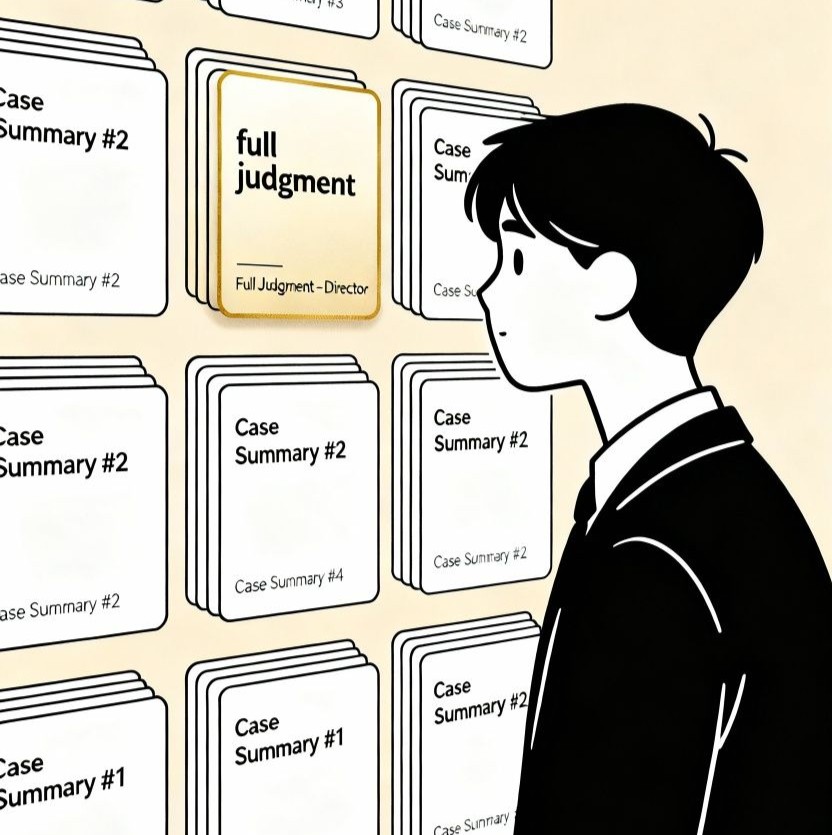
Law students today skim case summaries like we scroll streaming thumbnails — fast, endless, but shallow. The real understanding? It’s in the full judgment, not the highlight reel. That’s where VINCIVARO.AI changes the game: 🔍 What TLG Brings to Your Research In a world obsessed with summaries, TLG helps you choose substance over shortcuts. Because in law: depth > speed, understanding > scrolling. VINCIVARO.AI — Built for those who read beyond the surface. #VINCIVARO.AI #LegalTech #FutureOfLaw #LawStudents #LegalResearch #AIinLaw #CaseLaw #LawSchoolLife #JudgmentAnalysis #LegalInnovation

Scroll to Top